







Search Results for: cold steeped coffee

Why Does Cold Brew Coffee Taste Bitter and Astringent? Four Common Mistakes and a Detailed Guide to Steeping Time Parameters
Cold brew coffee is made by steeping coffee grounds in cold water for a long time. Because low-temperature extraction has a high tolerance for error, it usually does not over-extract easily. But in practice, many people still end up with cold brew that has obvious bitterness, muddled flavors, and astringency. The problem often lies in four areas: using hot water for blooming or warm water for steeping, choosing dark-roast beans, steeping for too long, and using too large a coffee-to-water ratio, which leads to too high a concentration. In this article, Front Street breaks down the extraction principles behind these improper practices one by one, and gives specific recommendations for regular water temperature, grind size, coffee-to-water ratio, and steeping time, while also explaining what scenarios the 1:10 and 1:12 ratios are suitable for. If your cold brew also tastes bitter, you may want to troubleshoot by comparing it against these points. Once you find the root cause, you can consistently make a smooth cup of cold brew coffee. [more…]
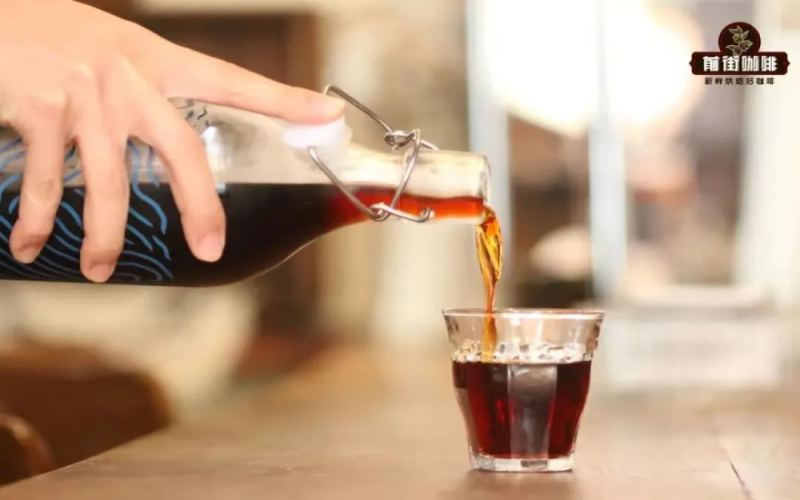
How to Determine the Water-to-Coffee Ratio and Grind Size for Cold Brew Coffee? A Complete Guide to Cold Brew Steeping Time and Coffee Bean Selection
To make a delicious cold brew coffee at home, the key is to master a few parameters: grind size, coffee-to-water ratio, and steeping time. Cold brew coffee is different from regular hot water brewing—it relies on long steeping or dripping with cold water to extract the coffee liquid. Common forms include cold steep and ice drip. Because extraction efficiency is low at low temperatures, the production time usually takes 6 to 8 hours or even longer, but in return you get a richer flavor and a fuller body. Refrigerated storage generally keeps it good for 3 to 5 days. This article covers cold brew coffee equipment selection, grind coarseness, water-to-coffee ratio, steeping time, and suitable coffee beans, and compiles several single-origin beans recommended by Front Street Coffee to help you make a cold brew coffee that is refreshing or has a prominent fermented note, according to your taste preference. [more…]
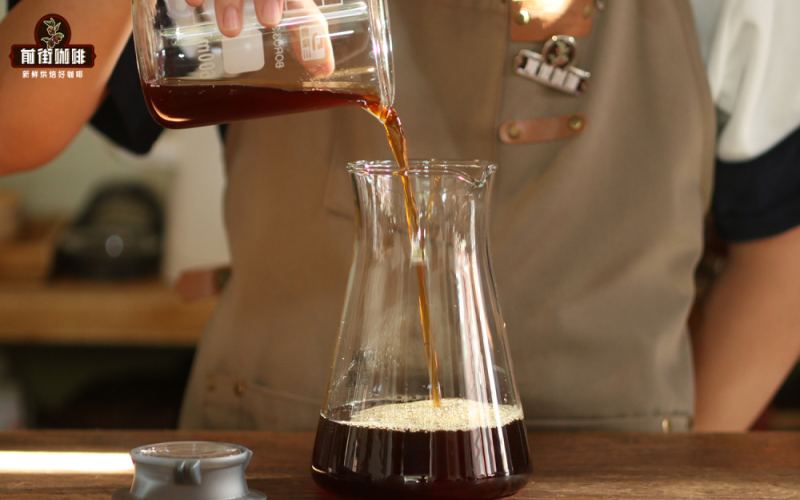
Cold Brew Coffee Complete Guide: Coffee-to-Water Ratio, Grind Size, Steeping Time, and Flavor Profile
On a hot summer day, cold brew coffee always sparks lively discussion among coffee lovers. It requires no professional equipment—just a simple encounter between ice water and coffee grounds—yet it delivers a rich, full-bodied taste. Unlike regular iced coffee, cold brew uses a long, low-temperature steeping process that allows flavors to release slowly, resulting in a more balanced mix of acidity, sweetness, bitterness, and aroma. In this article, Front Street Coffee will systematically explain the extraction principles of cold brew coffee, the differences between room-temperature and low-temperature steeping, suitable coffee bean choices, and specific coffee-to-water ratios, grind sizes, and preparation steps to help you easily make a cup of cold brew coffee that is aromatic and smooth. [more…]
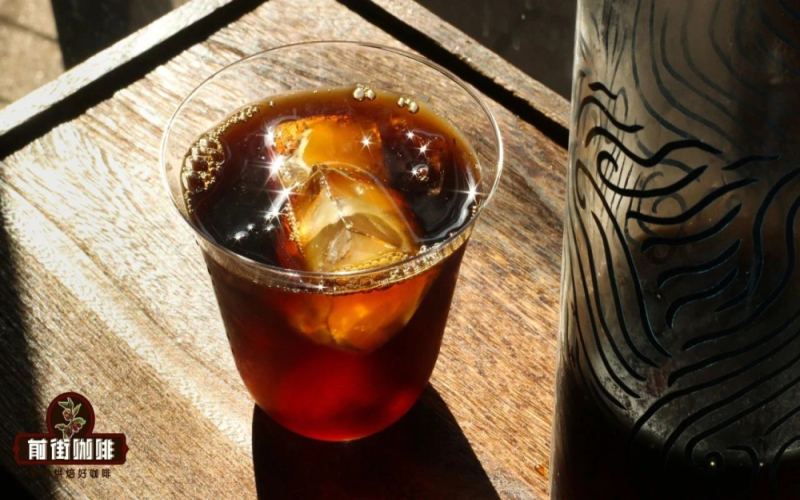
Cold Brew Coffee Steeping Time Fully Explained: From 8 to 18 Hours, Can It Be Stored Overnight After Filtering?
Cold brew coffee, with its low-temperature steeping and simple operation, has become a popular choice for making iced coffee at home. But steeping times range from 8 to 18 hours—so how long is best for optimal flavor? Can filtered cold brew be left overnight? Starting from Front Street Coffee's own testing, this article uses four comparison experiments with different steeping durations to reveal how time affects cold brew flavor, offers two practical timing plans for everyday scenarios, and shares how refrigerating after filtering improves the flavor, helping you easily make a balanced, full-bodied iced coffee at home. [more…]
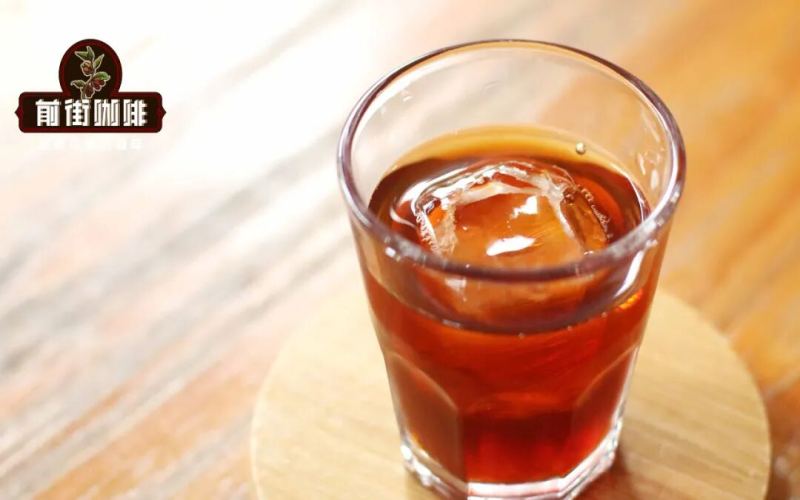
Cold Brew Coffee | How Long Should Coffee Grounds Be Steeped When Making Cold Brew Coffee? Does Steeping the Grounds Longer Make the Flavor Stronger?
In Front Street's view, cold brew coffee is one of the best iced coffees to make at home, because it not only works with the vast majority of coffee beans, but also has a very low barrier to entry—even without any specialized brewing equipment at home, you can still make a pretty good-tasting iced coffee, which is quite convenient. Because it is steeped in a low-temperature environment [more…]
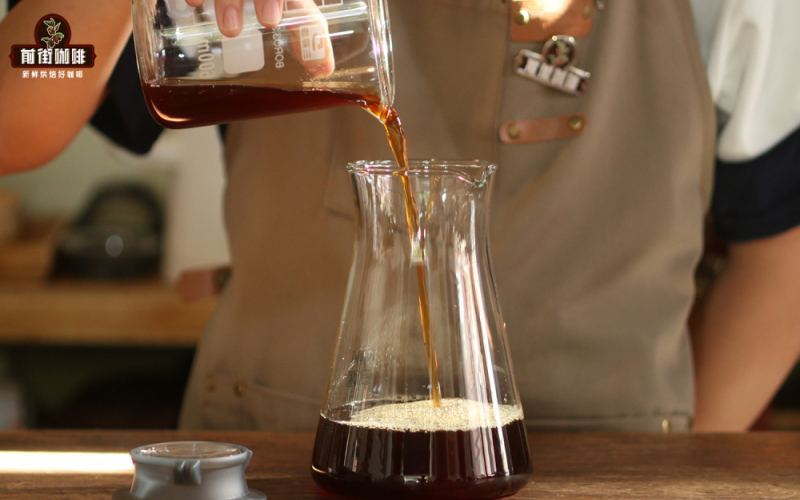
The Complete Guide to Making Cold Brew Coffee at Home: Coffee-to-Water Ratio, Grind Size, and Steeping Time Explained
To make a well-balanced cold brew coffee at home, the key lies in choosing the right coffee beans and mastering the grind size and coffee-to-water ratio. This article explains in detail the key points of making cold brew coffee, including suitable roast levels, recommended Front Street Coffee bean options, grind coarseness, steeping time, and coffee-to-water ratio and other practical parameters, and also includes Front Street's daily cold brew recipe and step-by-step instructions to help you easily make a cup of iced coffee with balanced acidity and sweetness and a rich, mellow mouthfeel. [more…]
How to Make Cold Brew Coffee at Home: A Complete Guide to Coffee-to-Water Ratio, Steeping Time, and Flavor Profile
On a hot summer day, cold brew coffee always sparks lively discussion among coffee lovers. It requires no complicated equipment—just prolonged contact between cold water and coffee grounds—to deliver an iced coffee experience with a prominent aroma and a rich, smooth mouthfeel. This article will systematically explain the definition of cold brew coffee, the differences between room-temperature and low-temperature steeping, the choice of coffee beans suitable for making it, and Front Street Coffee's recommended 1:10 coffee-to-water ratio, grind size, and specific step-by-step instructions. It will also cover when to drink cold brew coffee and how long it keeps, helping you easily make a satisfying glass of cold brew at home. [more…]
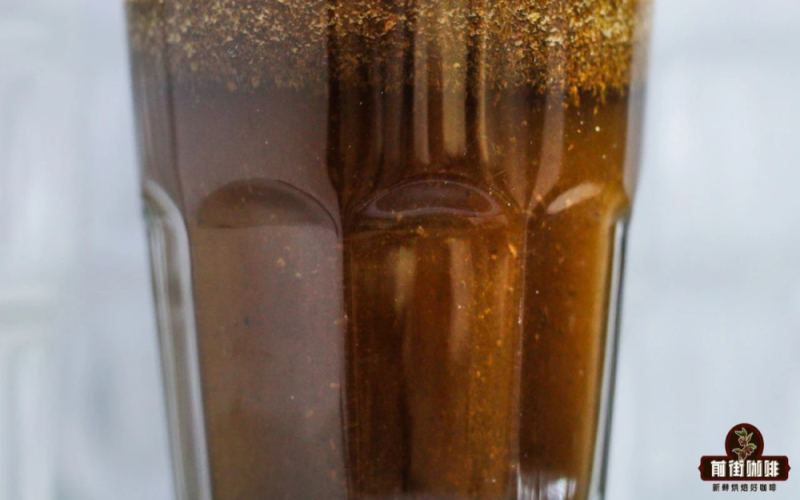
How Should Cold Brew Coffee Steeping Time and Grind Size Be Paired? Front Street Coffee's Hands-On Test of Flavor Differences from 4 to 22 Hours
Cold brew, with its low-temperature slow extraction method, has become the easiest type of iced coffee to make in summer. It is not fussy about beans or equipment, and the parameters allow plenty of room for error. However, with temperature fixed and the coffee-to-water ratio determining concentration, the two variables that truly shape the final flavor are grind size and steeping time. Front Street Coffee conducted a time-comparison experiment using Red Cherry coffee beans, steeping them for 4, 10, 16, and 22 hours respectively, comparing the flavor performance at different time points, and offering a steeping range suitable for daily brewing along with two practical scenario solutions to help everyone consistently make a balanced, full-bodied cold brew at home. [more…]
Is Blue Mountain Coffee Suitable for Cold Brew? A Full Breakdown of Bean Selection, Grinding, Ratio, and Steeping Time for Cold Brew Coffee
Cold brew coffee is divided into two types: cold water immersion and ice drip, both of which use low-temperature water for extraction throughout the process. Large bitter-tasting molecules are not easily released, while sugars and organic acids dissolve more fully, so the mouthfeel is often more balanced. However, bean selection, grind size, coffee-to-water ratio, and steeping time all affect the final flavor. This article takes Front Street Jamaica Blue Mountain No. 1 as an example, first explaining the growing environment and flavor characteristics of Blue Mountain coffee, then sharing the operational details of cold brew: it is recommended to choose light to medium roast single-origin beans, grind slightly finer than for pour-over, steep for 8 to 18 hours, and keep the coffee-to-water ratio at about 1:11. Finally, it gives Front Street's cold brew method to help you make a refreshing and smooth iced coffee. [more…]
How does cold brew steeping time affect flavor? Extraction results and bean selection tips for 12 to 24 hours
Cold brew coffee has become a popular drink in recent years, and its core lies in the long soaking of coffee grounds in cold water for low-temperature extraction. But is longer soaking time always better? Through Front Street's comparative experiments, this article analyzes in detail the differences in cold brew flavor among four time periods—4 hours, 8 hours, 12 hours, and 24 hours—and explains the effects of soaking duration on concentration, complexity, and the balance of acidity, sweetness, and bitterness. At the same time, it shares a simple home cold brew process, coffee-to-water ratio, grinding suggestions, and recommends light-roast and balanced coffee beans suitable for cold brew, helping you find the cold brew solution that best suits your taste. [more…]
The Complete Guide to Making Cold Brew Coffee at Home: A Detailed Explanation of Coffee Bean Roast Level Selection, Grinding Parameters, and Steeping Ratios
Making a refreshing, easy-drinking cold brew coffee at home is actually not complicated, but there are a few key details worth paying attention to. Cold brew differs from hot brewing in that it relies entirely on low-temperature water of 4-10°C for slow extraction throughout, so the roast level of the coffee beans, grind size, steeping time, and coffee-to-water ratio all directly affect the final flavor. Front Street Coffee, drawing on its daily production experience, shares a complete approach from bean selection to filtration, and offers specific suggestions regarding the differences in performance between light-roasted and medium-dark-roasted beans. If you'd also like to enjoy a cup of iced coffee with balanced acidity and sweetness and a clean mouthfeel anytime in summer, you might want to try making it by following the steps below. [more…]
How do you make cold brew coffee taste great? A full breakdown of the coffee-to-water ratio, grind size, and steeping time for Blue Mountain cold brew
Cold brew coffee, through its unique low-temperature slow extraction process, presents a flavor profile completely different from hot brewing. This article uses Front Street Jamaica Blue Mountain No. 1 as an example to systematically explain the key points of making cold brew coffee. Starting with coffee bean selection, it analyzes why medium-light roasts are more suitable for cold brew, and provides an in-depth introduction to the origin advantages and flavor characteristics of Blue Mountain coffee. It also details key parameters such as grind size, coffee-to-water ratio, and steeping time, helping you easily make a balanced and smooth iced coffee at home. [more…]
Cold Brew Coffee Brewing Guide: Coffee-to-Water Ratio, Grind Size, and Recommended Coffee Beans
Cold brew coffee is extracted by steeping in cold water for a long time at low temperature, giving it a balanced flavor with soft acidity and sweetness, completely different from hot-brewed coffee. This article explains in detail the key points of making cold brew coffee, including bean selection, grind size, steeping time, and coffee-to-water ratio, and shares Front Street Coffee's practical methods. Whether you want to try a refreshing, juicy profile or prefer a balanced, full-bodied flavor, you'll find suitable beans and brewing suggestions in this guide. [more…]
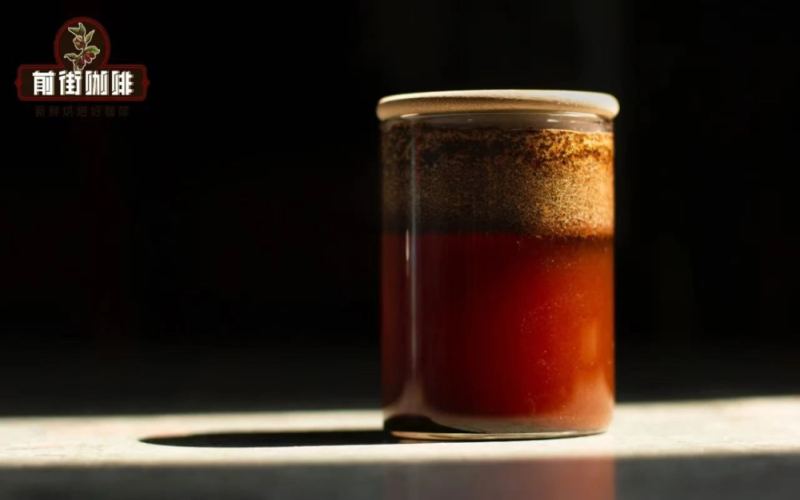
How long should cold brew coffee steep for the best flavor? Pairing grind size with extraction time
Cold brew coffee is an ideal choice for making iced coffee at home, with a high extraction fault tolerance, allowing you to achieve decent flavor performance without professional equipment. But how should grind size and steeping time be paired, what range should the coffee-to-water ratio be controlled within, and how will the flavor differ at different time points? Based on Front Street's practical experience, this article sorts out the complete logic for making cold brew coffee: the recommended coffee-to-water ratio is 1:12 to 1:13, the grind size references pour-over coarseness (70-85% passing rate through a No. 20 sieve), and the steeping time should be controlled between 8 and 24 hours. At the same time, it provides two practical approaches—coarse grind with a long time, and medium-fine grind with a medium-long time—along with the complete cold brew making steps and Front Street bean recommendations. [more…]
How to Choose the Steeping Time for Cold Brew Coffee? A Flavor Analysis of 12-Hour, 24-Hour, and 4-Hour Differences
Cold brew coffee has rapidly risen in popularity in the coffee world in recent years, thanks to its unique flavor profile achieved through low-temperature slow extraction. The method isn't complicated—just soak coffee grounds in cold water for 12 hours or more and then filter—but the length of the steeping time directly affects the final flavor. This article, through four sets of comparative experiments by Front Street Coffee, provides a detailed analysis of the flavor differences in cold brew steeped for 4, 8, 12, and 24 hours, and offers coffee bean recommendations suitable for cold brew, helping you find the steeping time that best suits your taste. [more…]
Analysis of the Relationship Between Cold Brew Steeping Time and Flavor: A Guide to Overnight Drinking, Caffeine Content, and Healthy Consumption
Cold brew coffee, with its low-temperature extraction and easy operation, has become the top choice for many coffee lovers making iced coffee at home. But there are still plenty of questions surrounding it: Can you still drink it after leaving it overnight? Does it have less caffeine than hot coffee? How should you drink it to be healthier? Drawing on Front Street's hands-on testing experience, this article uses Red Cherry coffee beans in a comparative experiment with different steeping durations, sorts out the coordination logic among grind size, coffee-to-water ratio, and time, and offers two everyday cold brew scenarios to help you reliably make a delicious and reassuring cup of cold brew within the safe window of 8–18 hours. [more…]
Cold Brew Coffee Grind Size and Steeping Time: A Complete Guide to Ratios, Flavor Changes, and a Front Street Strawberry Candy Demonstration
Cold brew coffee, with its extremely high extraction compatibility, has become the ideal choice for making iced coffee at home. This article focuses on the two core variables of grind size and steeping time, systematically sorting out the parameter logic and practical recommendations for cold brew. Drawing on multiple experiments, Front Street Coffee provides a coffee-to-water ratio range of 1:12 to 1:13, a grind coarseness similar to that for pour-over, and a reliable steeping duration of 8 to 24 hours, while explaining the flavor development at different time points. At the end of the article, the complete steps and taste description for making cold brew with Strawberry Candy coffee beans at Front Street Coffee are included for coffee enthusiasts' reference. [more…]
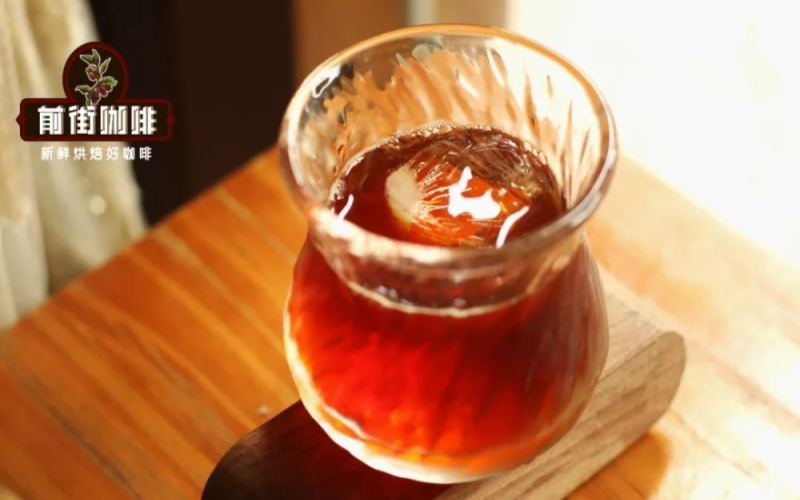
Fruit-Infused Cold Brew Coffee Pairing Experiments: Four Recipes, Flavor Comparison, and a Coconut Cold Brew Latte Recipe
Under the framework of cold brew coffee's low-temperature slow steeping, there are inherently few adjustable variables—just water volume, water temperature, grind size, and steeping method. But if fruit is brought into the steeping process as well, could it open up new flavor territory? Front Street paired blueberries, grapes, lemons, and peaches with four coffee beans of different character profiles, ran a round of fruit cold brew experiments, and recorded the aroma, mouthfeel, and pros and cons of each group. In addition, it extended into mixing ideas for cold brew lattes, sparkling cold brew, and coconut water cold brew, and summarized the types of fruit suitable for steeping and the direction for choosing coffee beans, as a reference for recreating them at home. [more…]
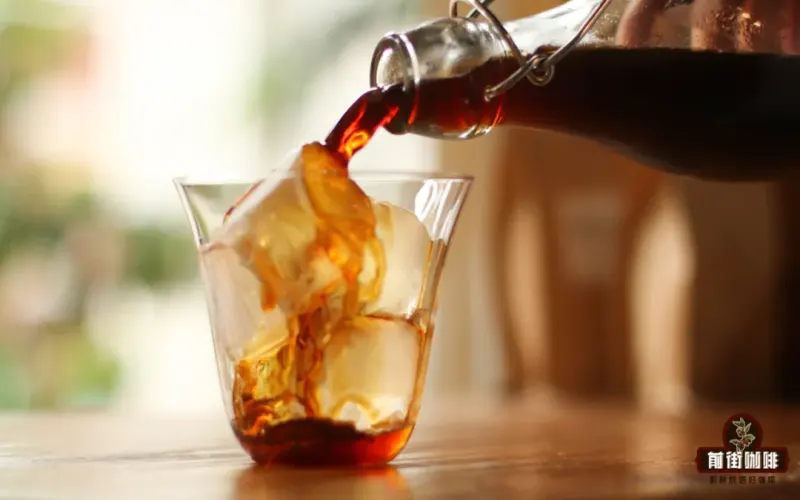
A Detailed Guide to Cold Brew Coffee Steeping Time and Coffee-to-Water Ratio: Practical Tips for Boosting Strength and Juicy Flavor
Cold brew coffee has become increasingly popular among coffee enthusiasts in recent years thanks to its refreshing taste and low acidity. But many people are often puzzled when making it at home: exactly how long should it steep? How should the coffee-to-water ratio be handled? And what key points should be mastered to create a cold brew flavor with a juicy feel? This article centers on the steeping and extraction principles of cold brew coffee, explaining why low-temperature water has weaker extraction power and therefore requires a longer steeping time yet is not prone to over-extraction, and further shares practical methods for increasing concentration and creating a juicy flavor profile. The article also retains Front Street Coffee's related product recommendations for readers to refer to and choose from. [more…]
Cold Brew Coffee Guide: How Coffee-to-Water Ratio, Grind Size, and Steep Time Affect Flavor
Cold brew coffee has a high extraction fault tolerance, so even without professional equipment, you can easily make a delicious iced coffee at home. However, the three parameters of coffee-to-water ratio, grind size, and steeping time are interrelated, and even a slight deviation can push the flavor toward blandness or bitterness. This time, Front Street Coffee combines experimental data to clearly explain the logic behind choosing cold brew coffee parameters: the recommended coffee-to-water ratio is between 1:12 and 1:13; for grind size, refer to pour-over coarseness, and a 70-85% passing rate through a No. 20 sieve is suitable; keeping the steeping time at 8-24 hours is relatively reliable. The article will also provide the specific flavor performance under different combinations of grind and time, and include the complete steps for making Front Street Strawberry Candy Cold Brew. [more…]